Mata Ki Chowki
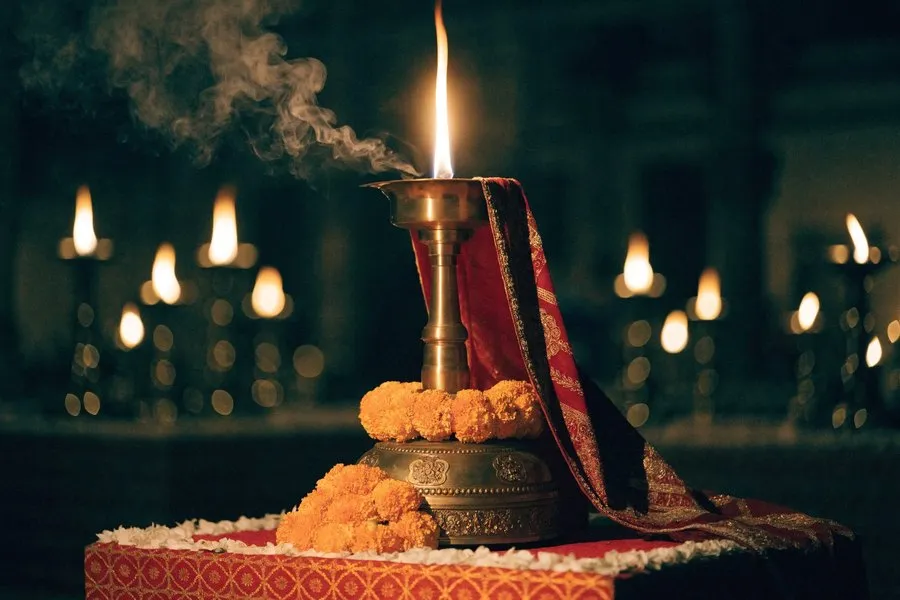
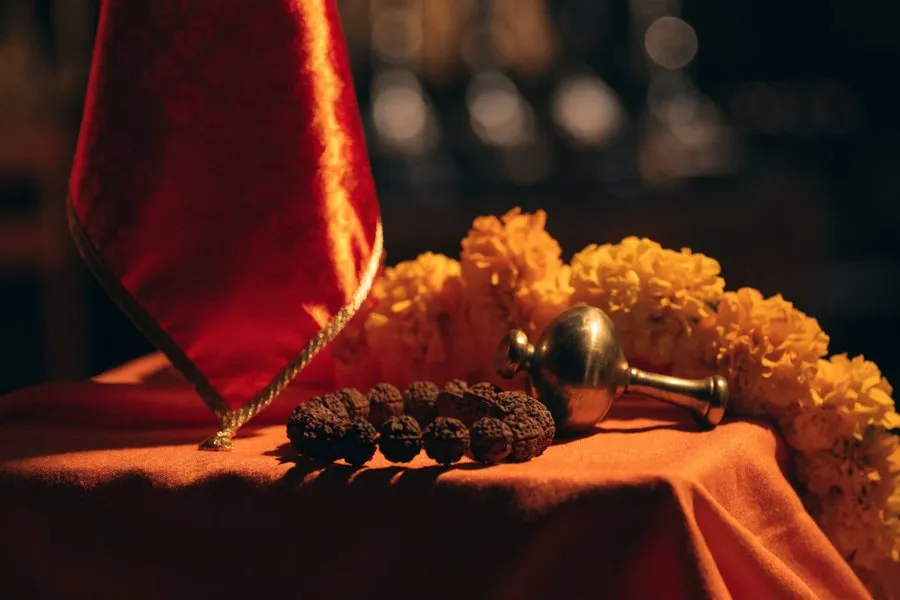
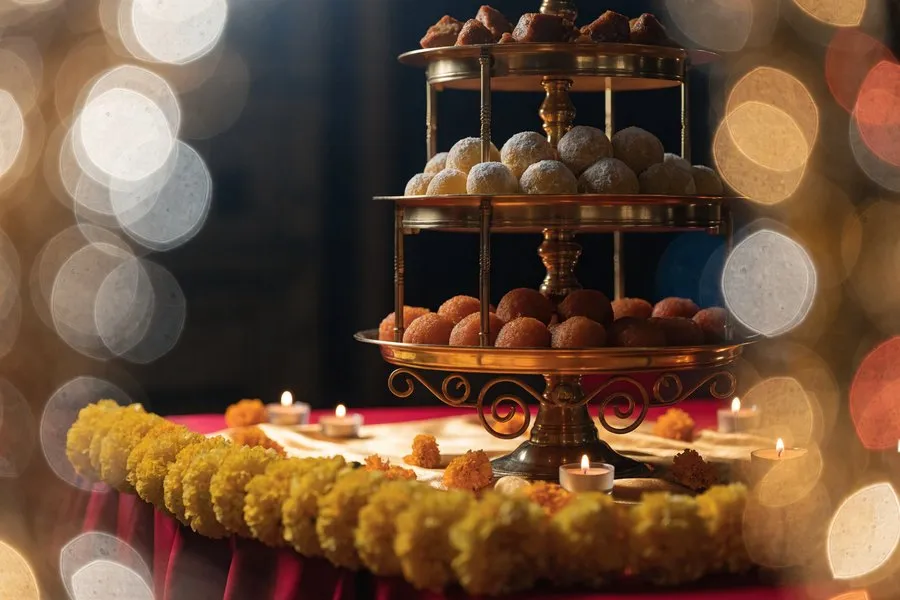
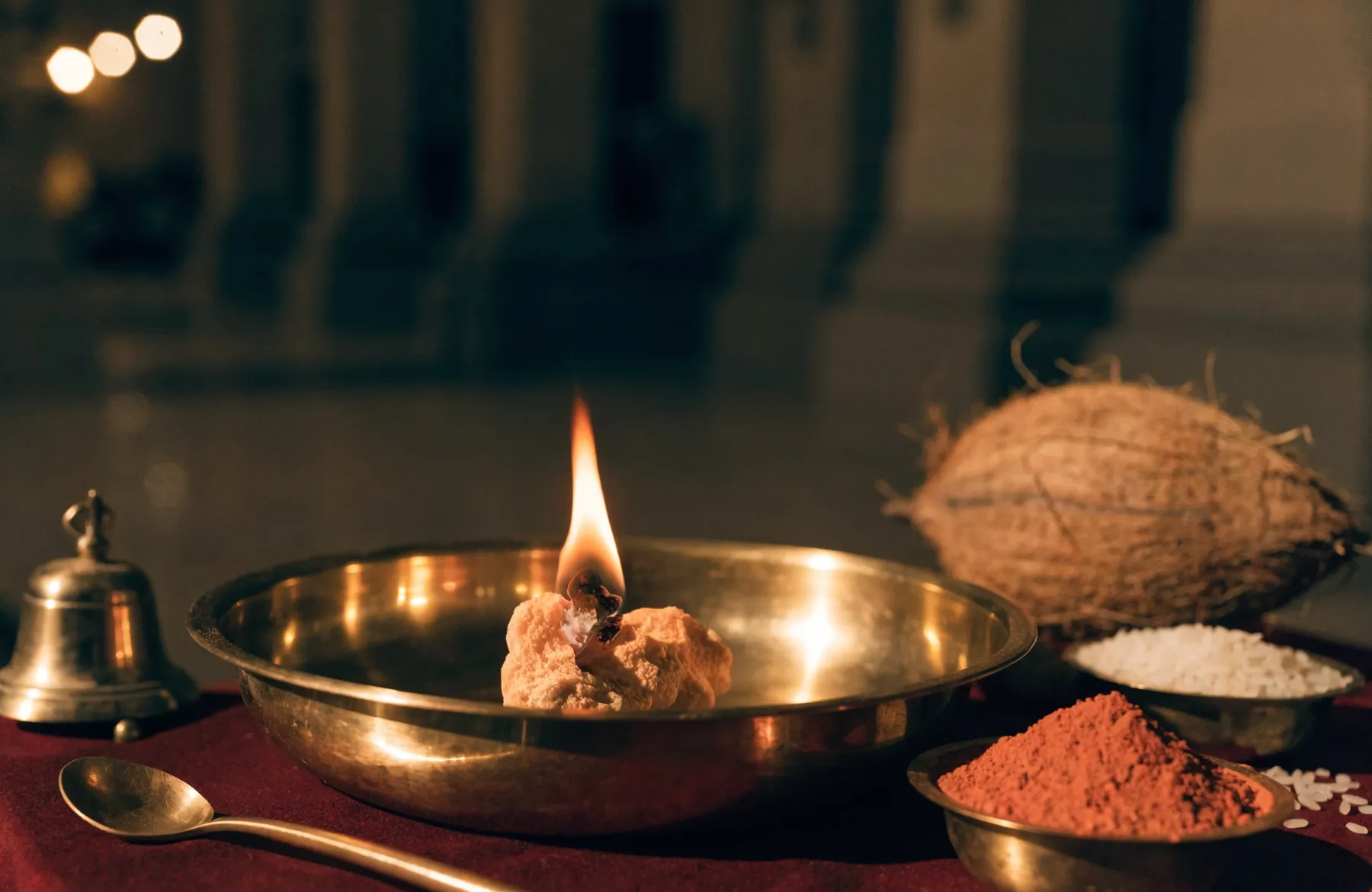
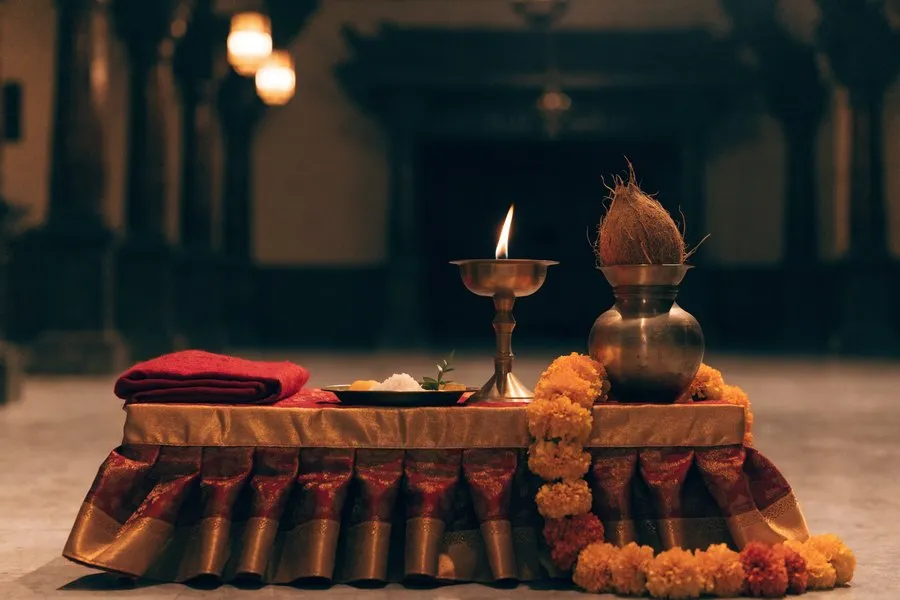
An evening sitting of Maa’s bhents and pooja (around 3 hours) — Ganpati and Navgrah pooja, the lighting of Maa’s jyot, chunni and prasad. Sponsored by families for birthdays, new homes and answered prayers.
Karamkand · by our priest
From a newborn's first blessing to the rites of remembrance — the mandir's priest performs the ceremonies of a Hindu life, at the mandir or in your home.
How it works: call or email the mandir with the ceremony you need and your preferred dates. We will confirm the muhurat (auspicious timing), give you the simple samagri list of items to bring, and arrange everything else. Services are offered on a donation basis — please ask when booking. No family is ever turned away for inability to give.
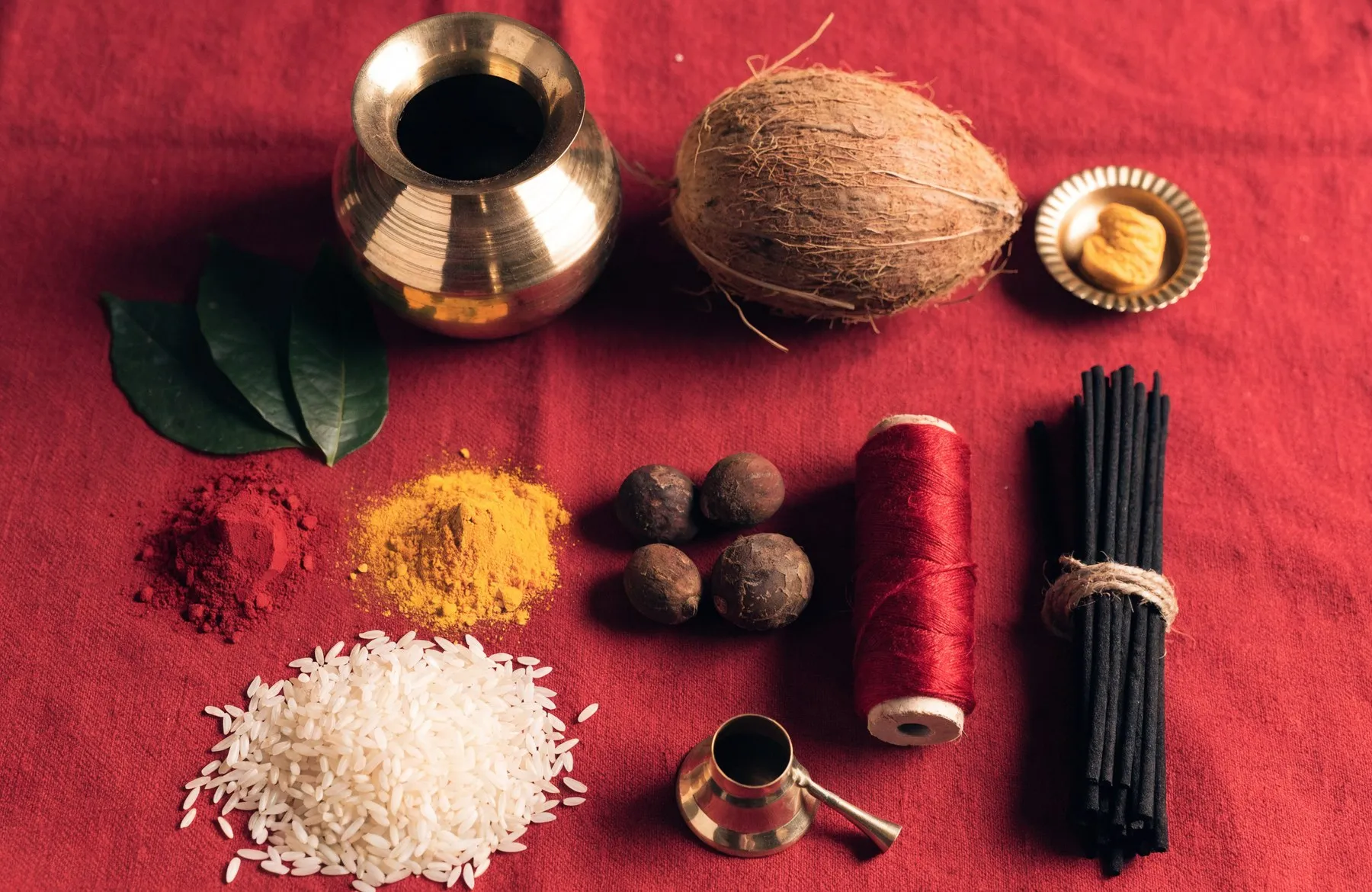
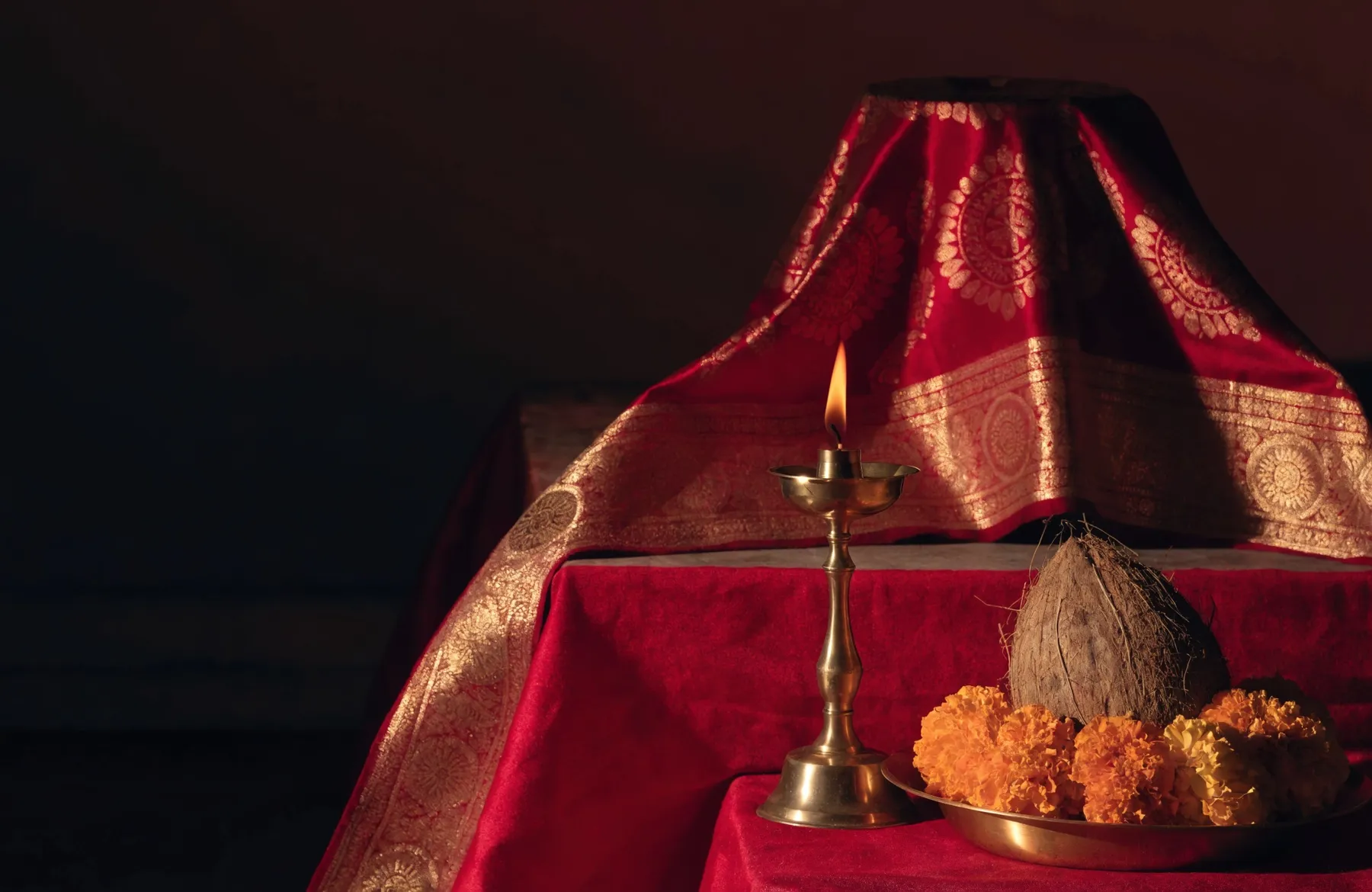
An evening sitting of Maa’s bhents and pooja (around 3 hours) — Ganpati and Navgrah pooja, the lighting of Maa’s jyot, chunni and prasad. Sponsored by families for birthdays, new homes and answered prayers.
The all-night vigil — jyoti prachand, bhents through the night, Maa’s katha and maha aarti at dawn. The chowki’s greater form: sunset to sunrise in Maa’s praise.
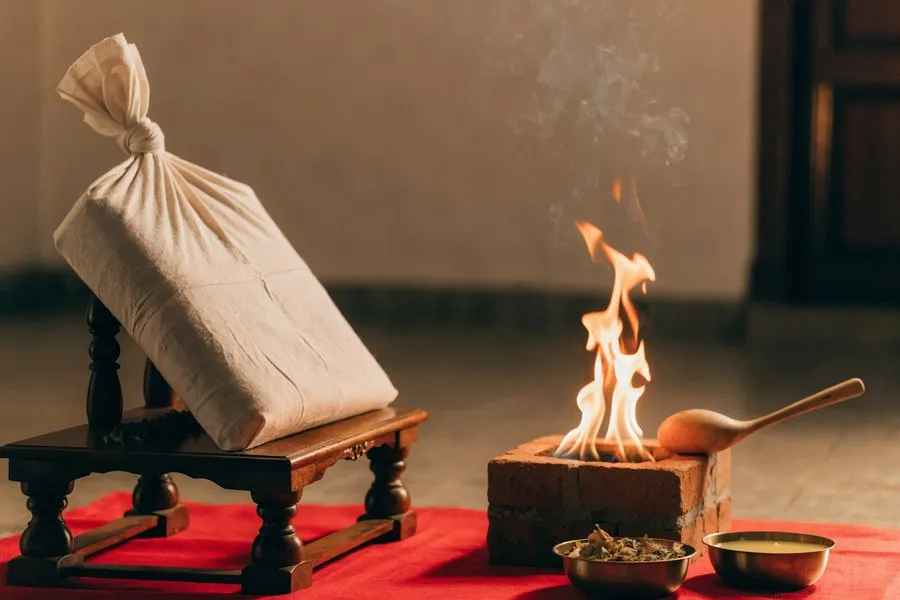
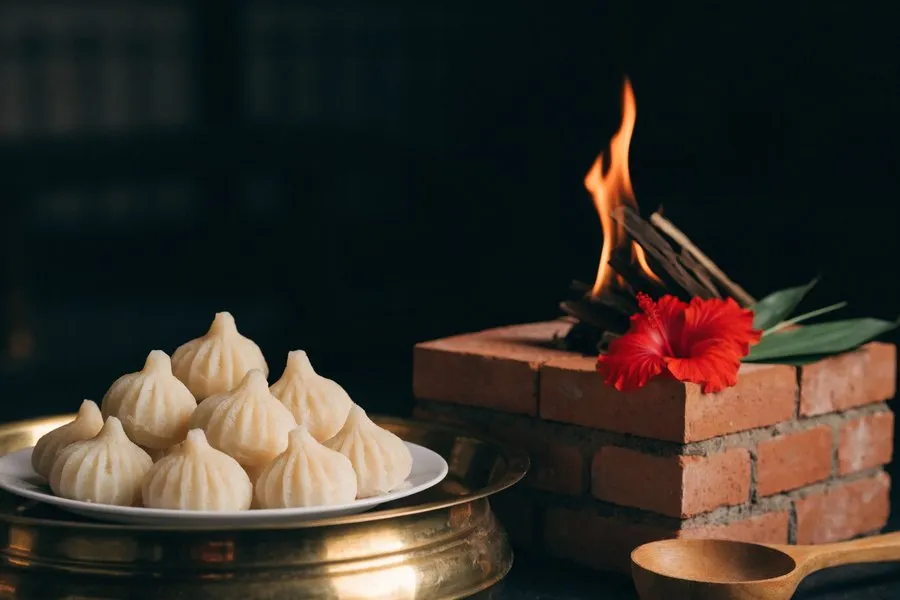
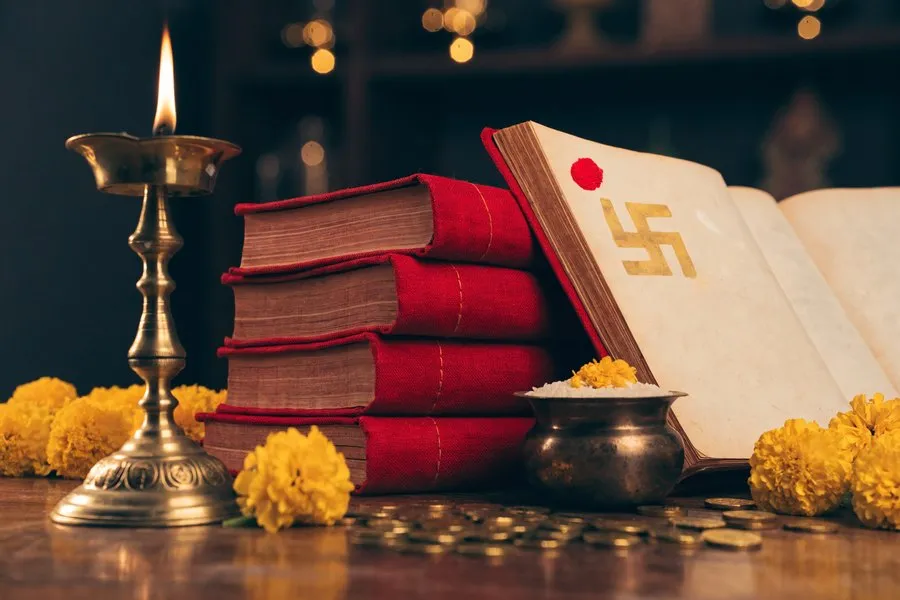
Recitation of the Durga Saptashati — the 700 verses of Maa’s glory — with havan. The most powerful Devi rite, for protection, new beginnings and the removal of obstacles.
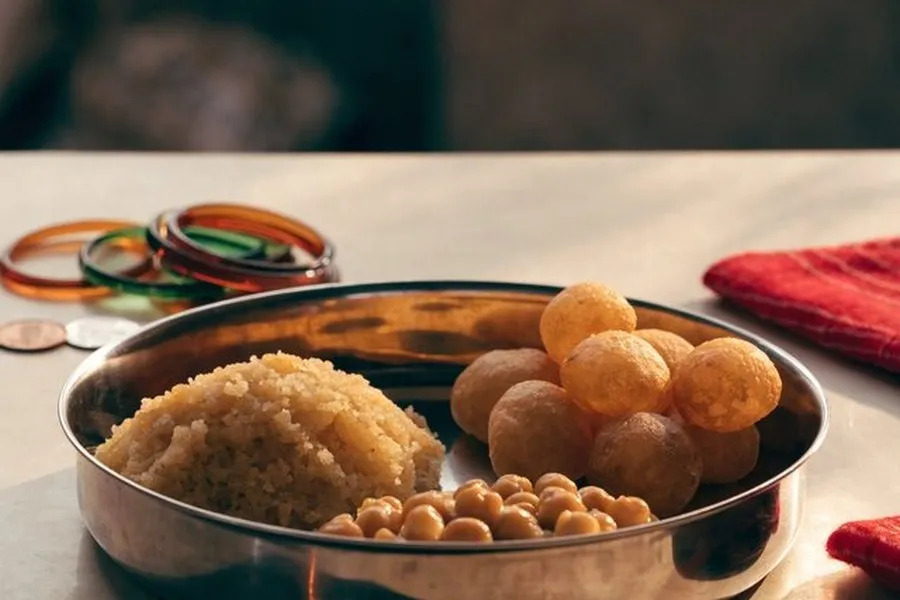
The veneration of young girls as forms of the Devi, especially on Ashtami and Navami of Navratri. Families are asked to register their kanjaks in advance.
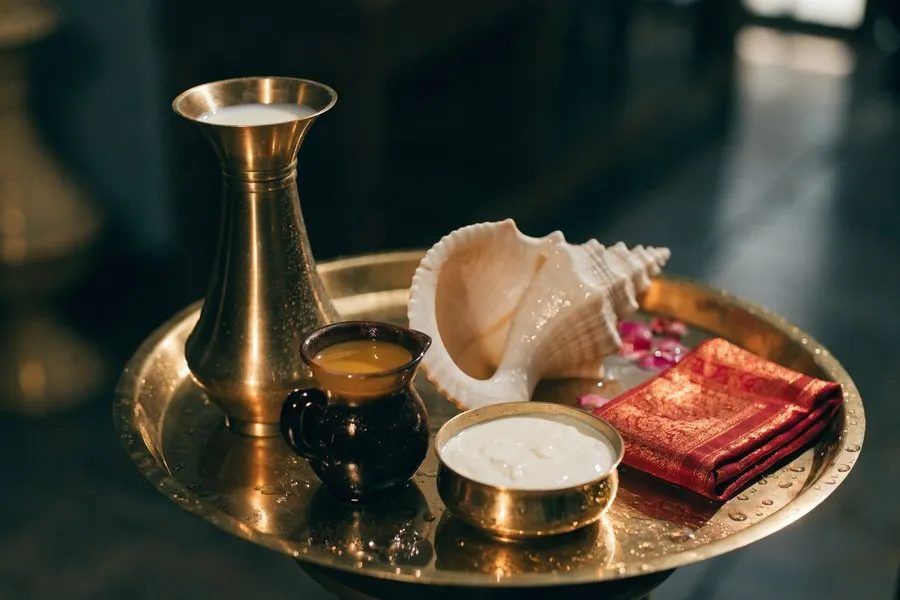
Ceremonial bathing and adornment of Maa — including the offering of a new chola on the fulfilment of a vow.
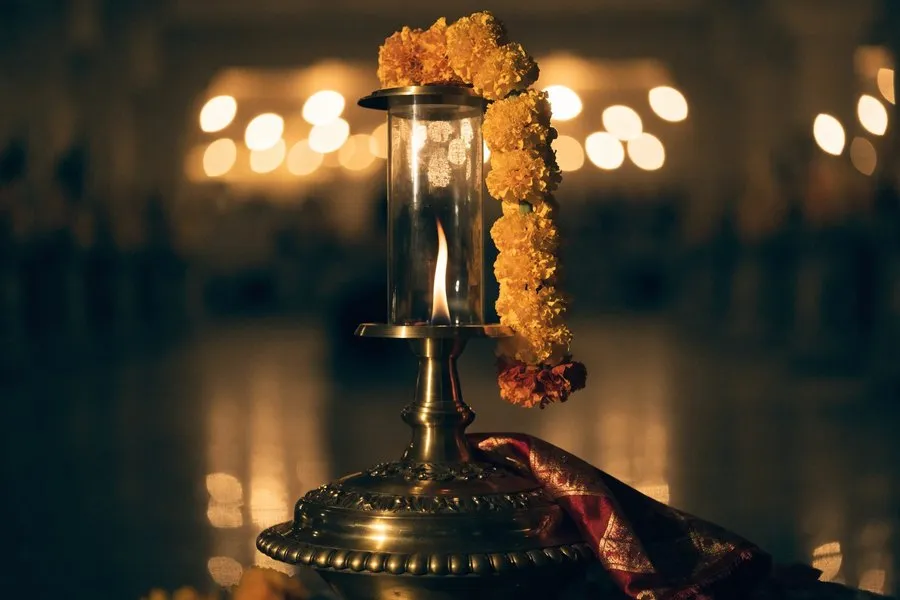
Sponsorship of Maa’s unbroken flame, especially through the nine nights of Navratri.
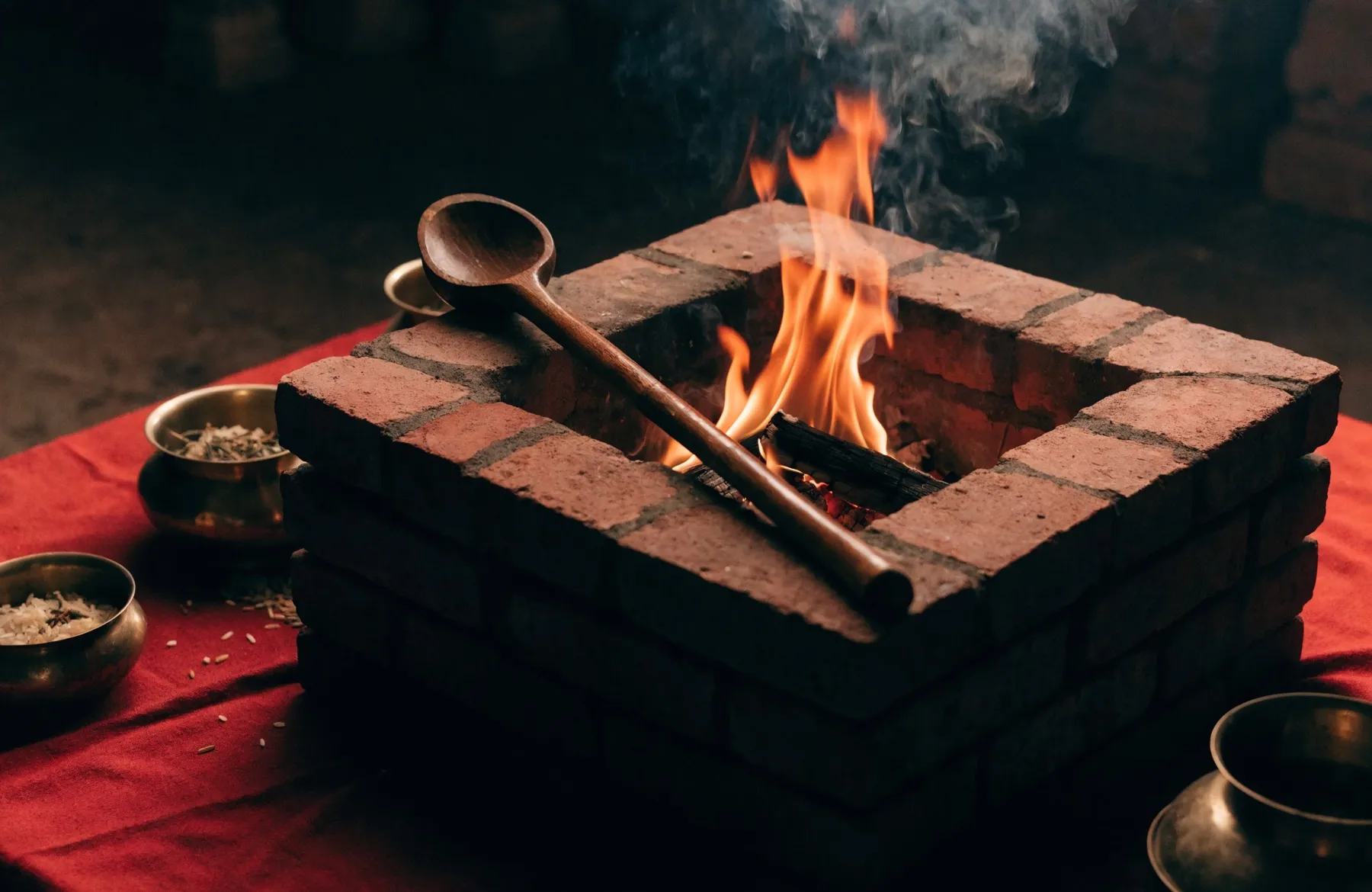
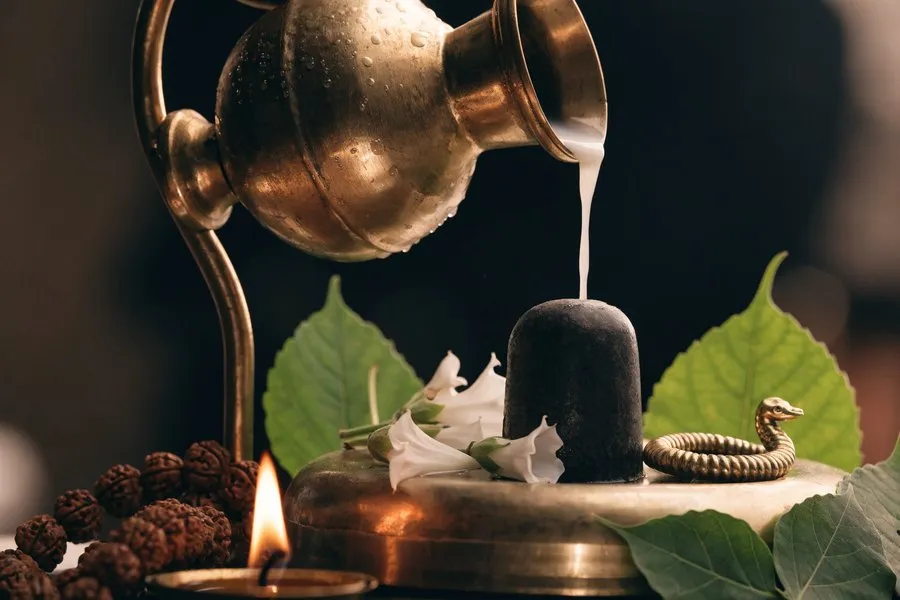
Abhishek of the Shivling with Rudri recitation — for Mahashivratri, Sawan Mondays, or whenever the family seeks Shiv Ji’s blessing.
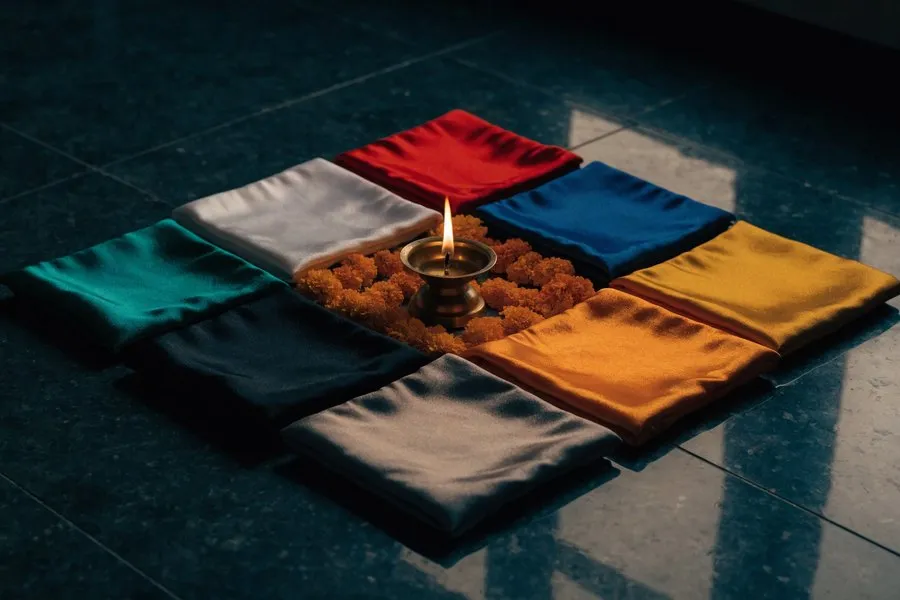
Pacification of the nine planets — traditionally performed before weddings or at times of repeated difficulty.
The auspicious opening of any major undertaking.
For peace in the household — often at a new home or after a difficult season.
The great healing mantra, recited for recovery from illness and for protection.
The beautiful chapter of Hanuman Ji’s leap — sung for courage and the resolution of troubles.
The beloved katha of gratitude and wish-fulfilment, traditionally on Purnima (full moon).
Group recitations of 11, 21, 51 or 108 Chalisas.
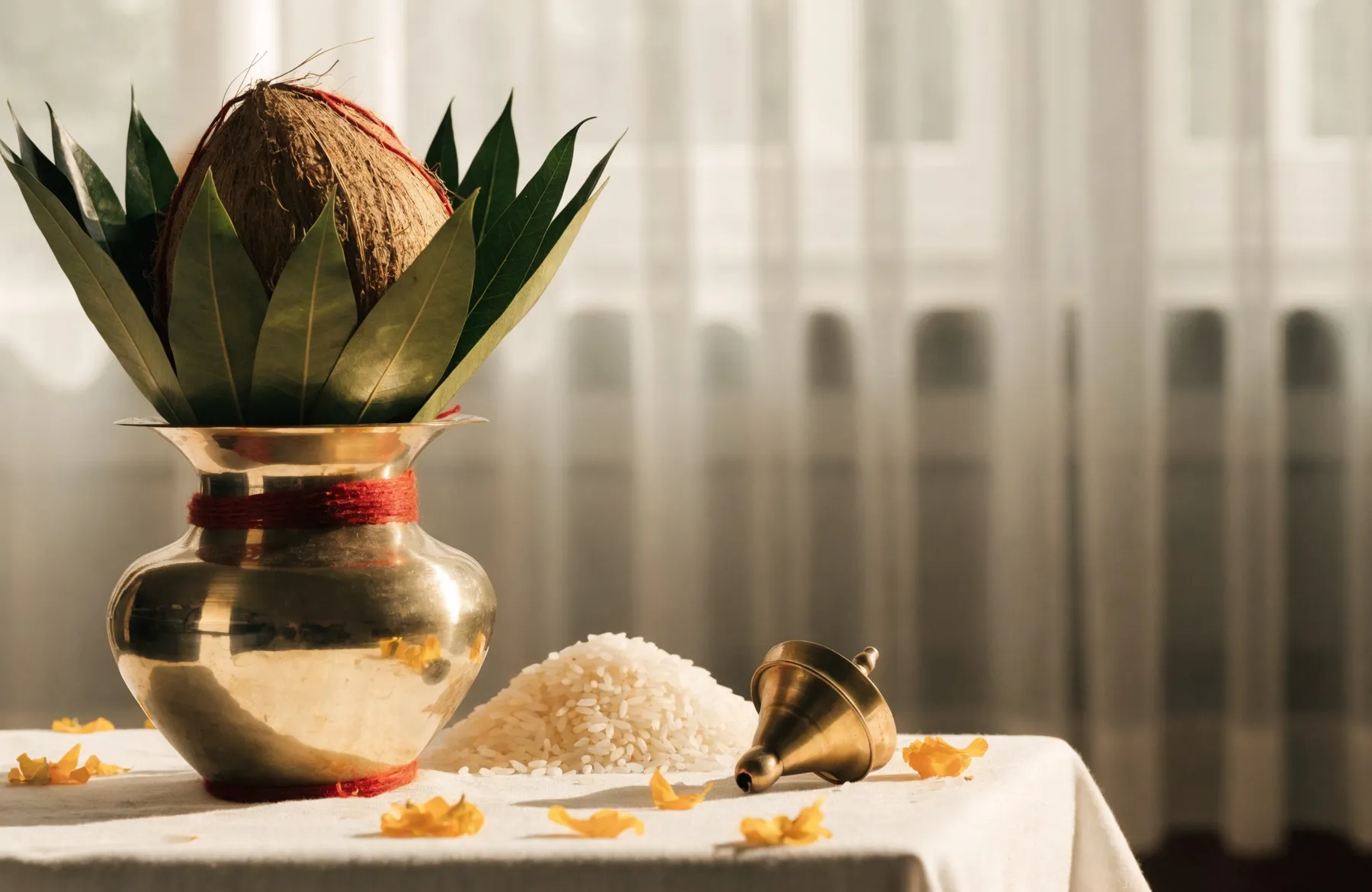
The naming ceremony — with traditional guidance on the auspicious first letter (naam rashi).
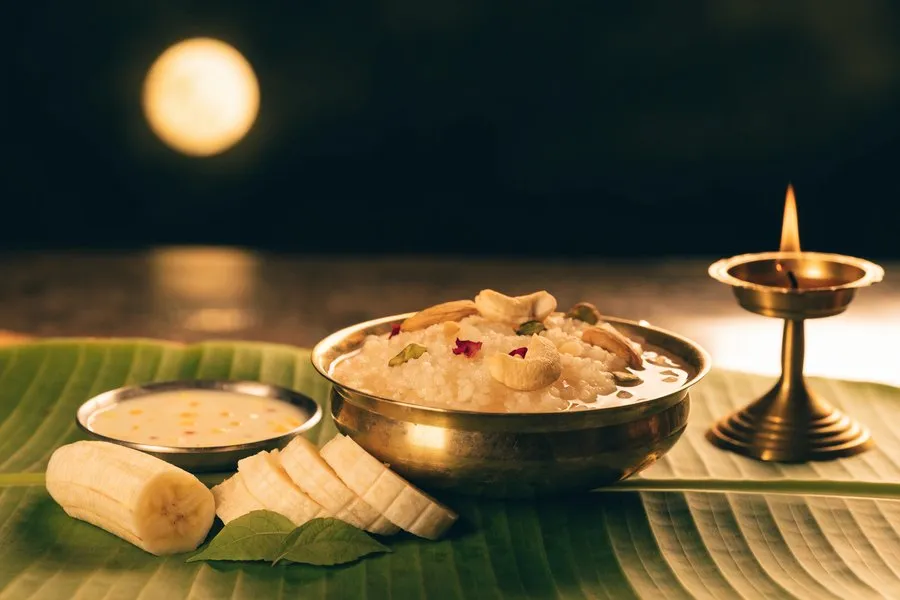
Baby’s first solid food, blessed before the deities.
The first haircut, offered in fulfilment of a vow — a rite with deep roots at Devi mandirs.
A child’s first letters, written before Maa Saraswati — beautifully done at our mandir, where Saraswati Maa is enshrined.
The sacred thread ceremony with havan.
Blessing of the mother-to-be.
Ayushya pooja for long life — first birthdays, 16th, 60th, and milestone anniversaries.
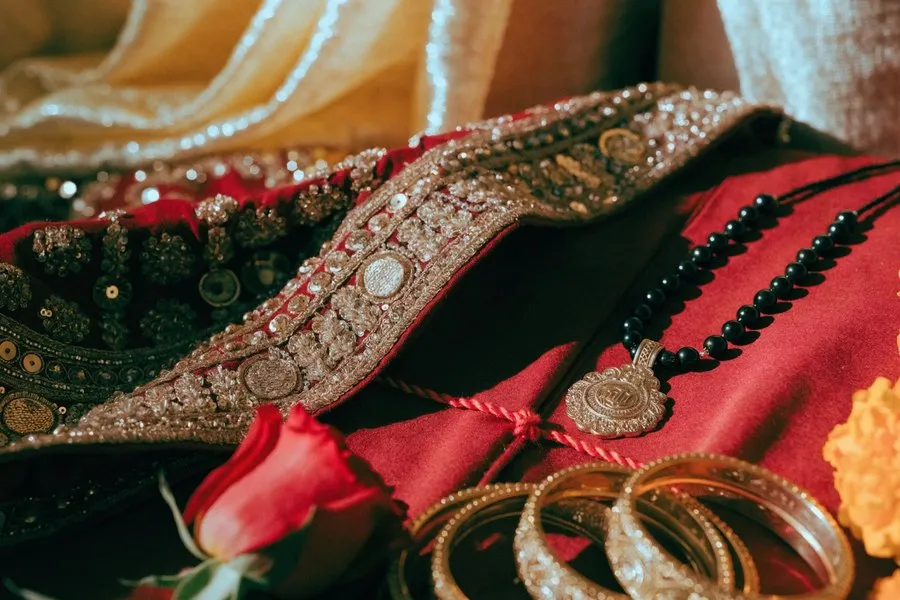
Punjabi wedding traditions honoured — chura, roka, sagai and mehndi blessings.
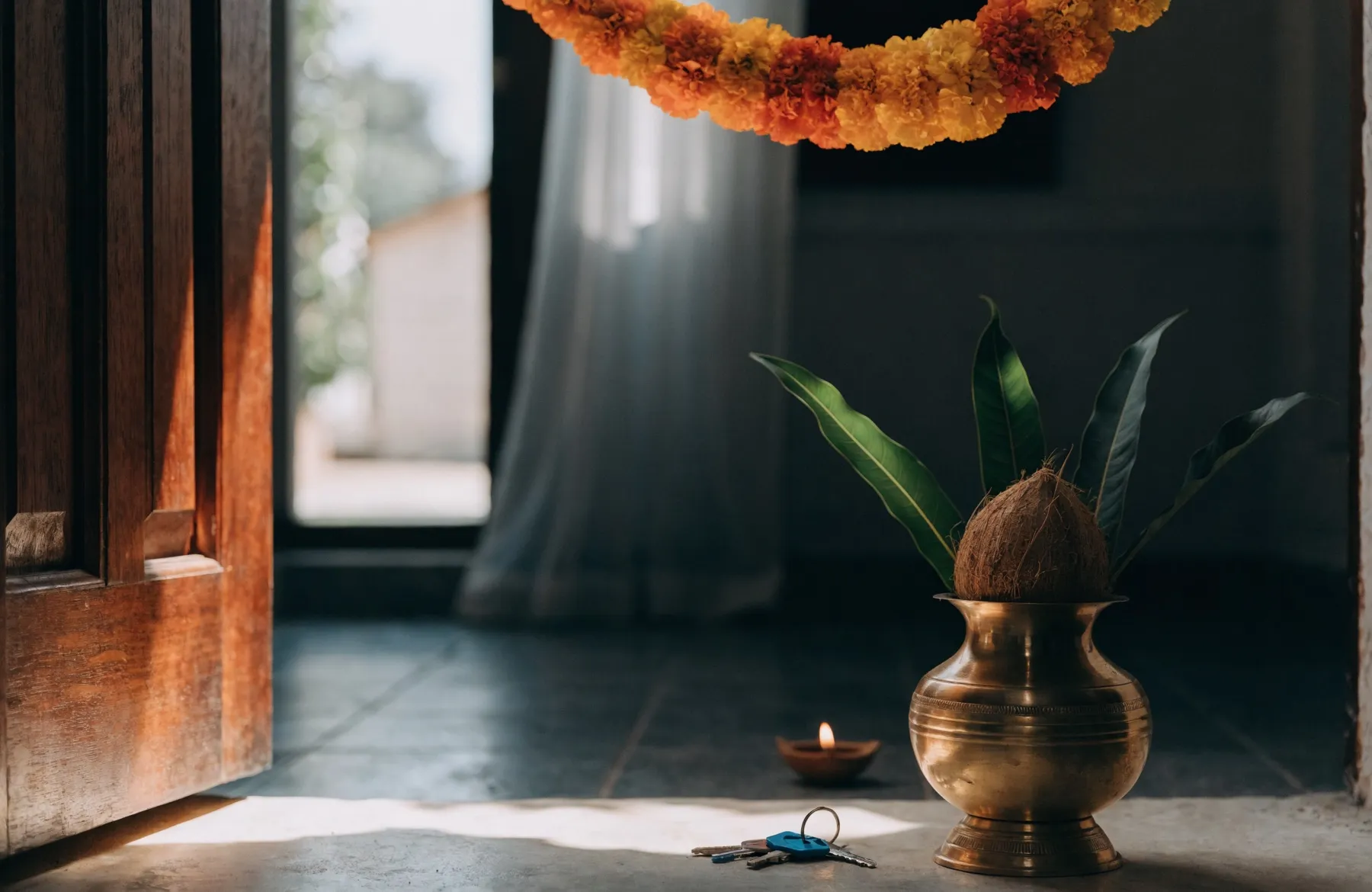
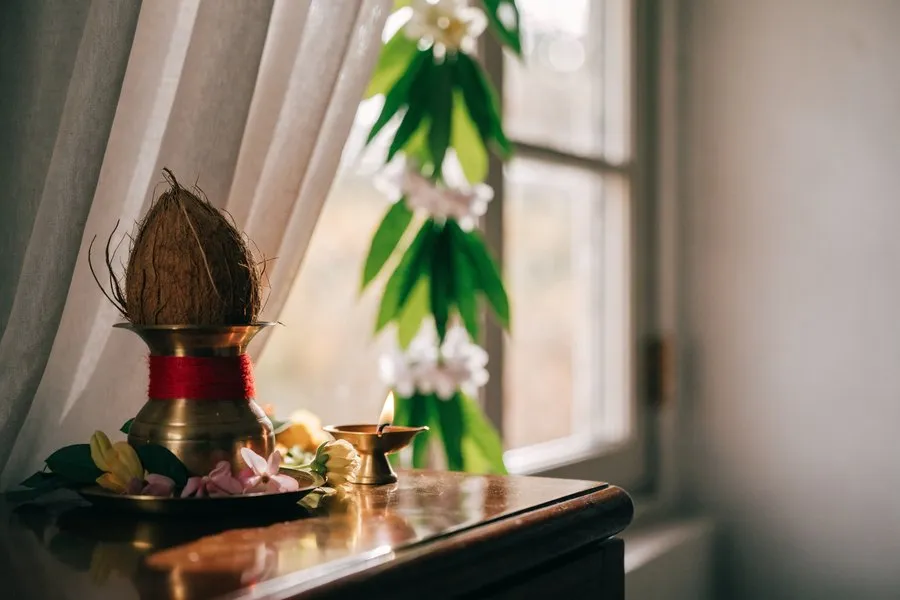
Entering a new home — kalash, Ganesh-Navgrah pooja and havan. For homes bought, built or rented, and business premises too.
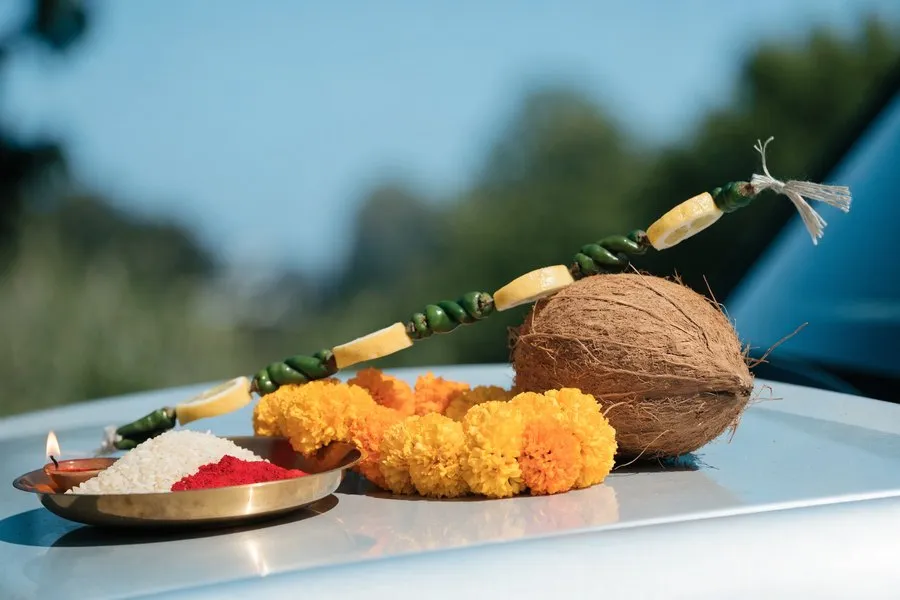
Blessing of a new vehicle — a short ceremony at the mandir car park.
New ventures blessed; account books honoured at Diwali.
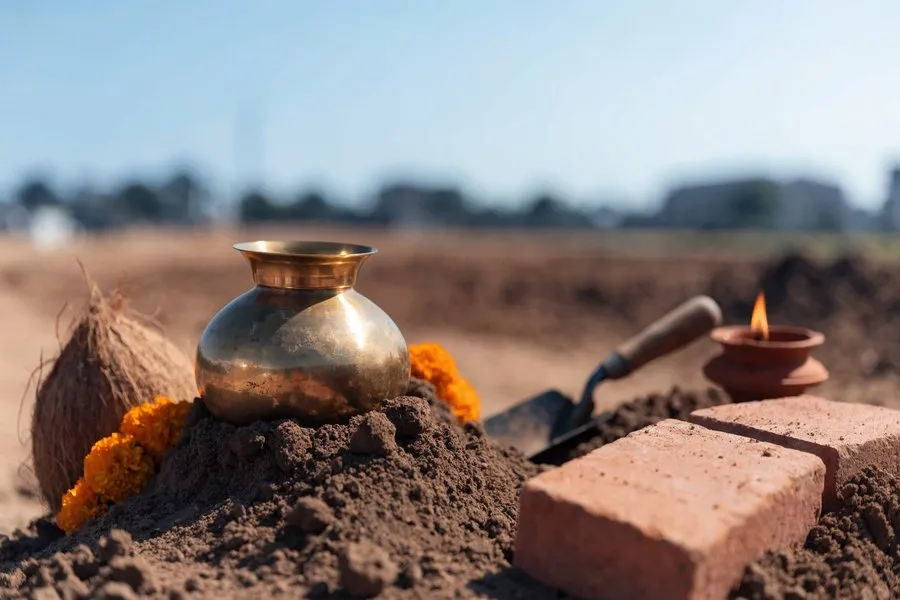
Ground-breaking worship before building work begins.
Our priest performs the final rites at home and at the crematorium, in coordination with your funeral director.
The community prayer gathering — the mandir hall is available for families.
Annual remembrance poojas, and the observances of Pitru Paksha.
Guidance on the respectful immersion of ashes in the UK, and priestly accompaniment where wished.
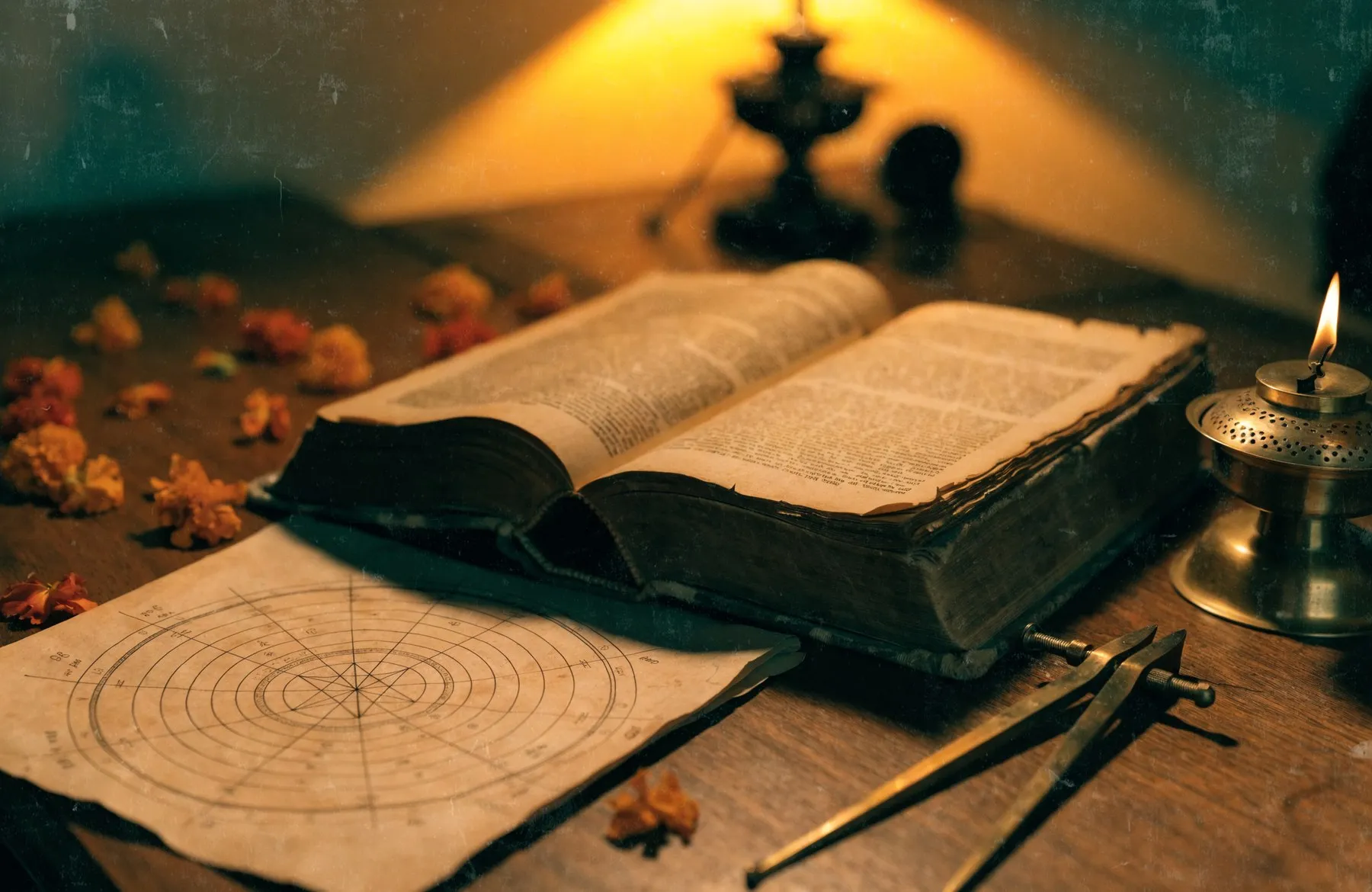
For guidance on auspicious timings (shubh muhurat) for weddings, griha pravesh, mundan, journeys and new ventures — or for the preparation of a child's janam patri (Vedic birth chart) as part of the naamkaran ceremony, and traditional kundli matching for families arranging a marriage — please speak with our Pandit Ji. Consultations are private and confidential, and offered in the spirit of Hindu tradition.
Speak to the mandir about dates, muhurat and what to bring.