The Learn library
Hinduism & Maa Kali, explained
Written from inside a working mandir — where aarti is sung twice a day, langar is served to everyone, and newcomers are shown the way rather than handed a leaflet.
Much of what is written about Kali online is written by people who have never stood in front of her. These pages are our attempt at something better: honest explanations from a temple that worships her daily — including the places where the tradition holds more than one answer, and says so.
Who is Maa Kali?
Maa Kali is the Hindu Divine Mother in her most powerful form — the goddess who destroys evil, ego and fear. Though her imagery looks fearsome to newcomers, to her devotees Kali is above all a mother: fierce in protecting her children, and infinitely tender towards them.
Read more →
Why does Kali stand on Shiva?
The image of Maa Kali standing on Shiva is Hinduism's deepest teaching about power and consciousness — plus the beloved story of the Mother who stopped in her tracks.
Read →
Why is Kali's tongue out?
The meaning of Maa Kali's extended tongue — the battle-fury reading, the tantric reading, and the beloved Bengali story of a mother's modesty. All three, honestly explained.
Read →
Kali Puja — the Mother's night at Diwali
Kali Puja falls on the new-moon night of Diwali. While much of India lights lamps for Lakshmi, Kali's devotees keep vigil for the Mother in the dark. What happens, and when it falls in the UK.
Read →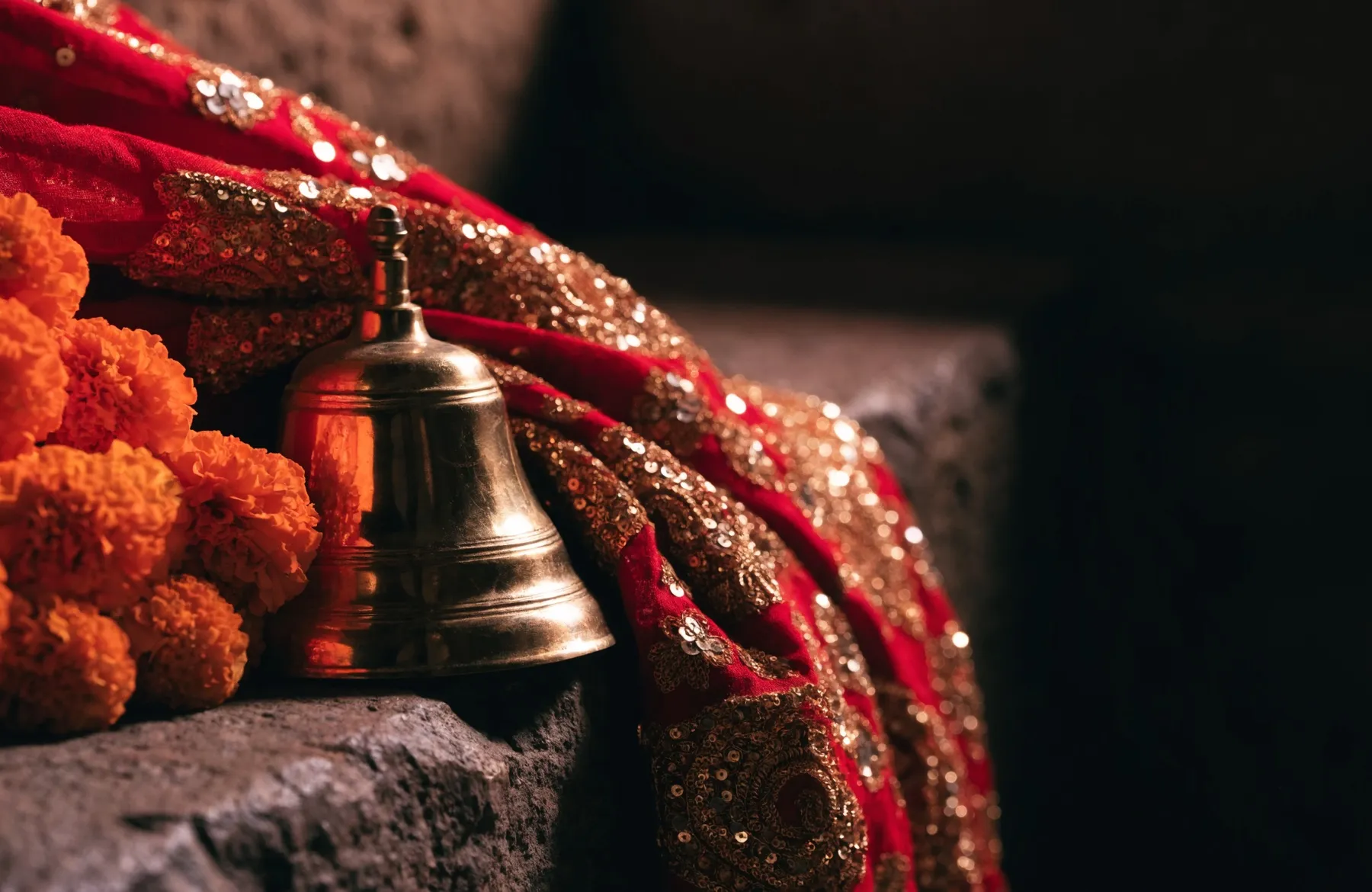
Durga and Kali — what's the difference?
Durga, Kali, Parvati, Lakshmi, Saraswati — different goddesses, or one Mother? The Hindu answer, explained clearly for newcomers.
Read →
What to wear to a Hindu temple (UK)
A simple, practical guide to dressing for a visit to a Hindu mandir in Britain — what's expected, what isn't, and what actually matters.
Read →
Hindu temple etiquette — a first-timer's guide
What to do (and not do) when visiting a Hindu mandir in the UK: shoes, offerings, prasad, photography, aarti and the one rule that actually matters.
Read →
What is darshan?
Darshan is the heart of Hindu worship — and it isn't quite what Western visitors expect. Not a service you attend, but a seeing that goes both ways.
Read →
What is aarti?
Aarti — the offering of light before the deity, sung twice daily at our mandir. What happens, what it means, and why people pass their hands over the flame.
Read →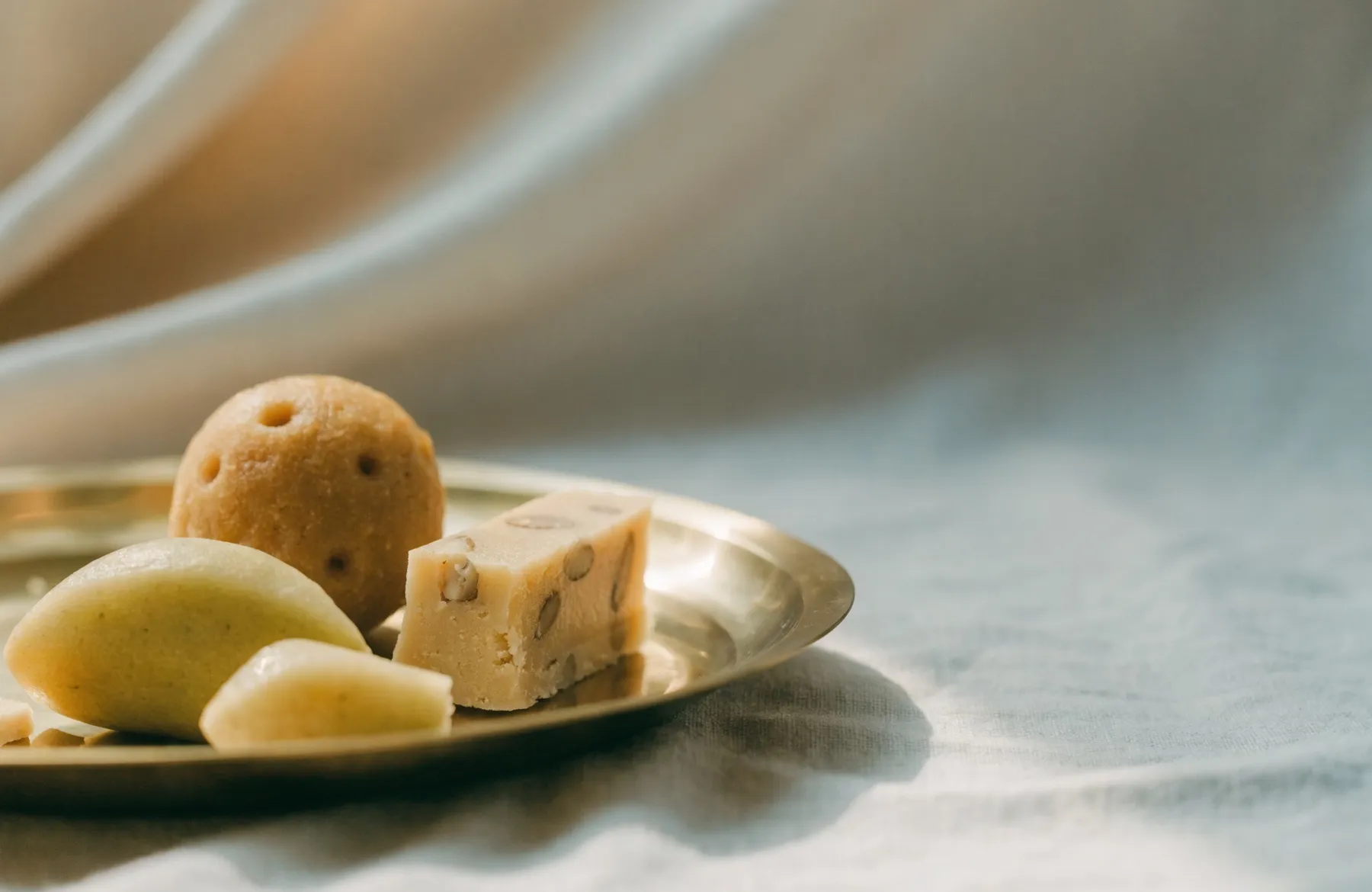
What is prasad?
Prasad is food offered to God and returned as blessing — why it's given, how to receive it, and what to do about allergies.
Read →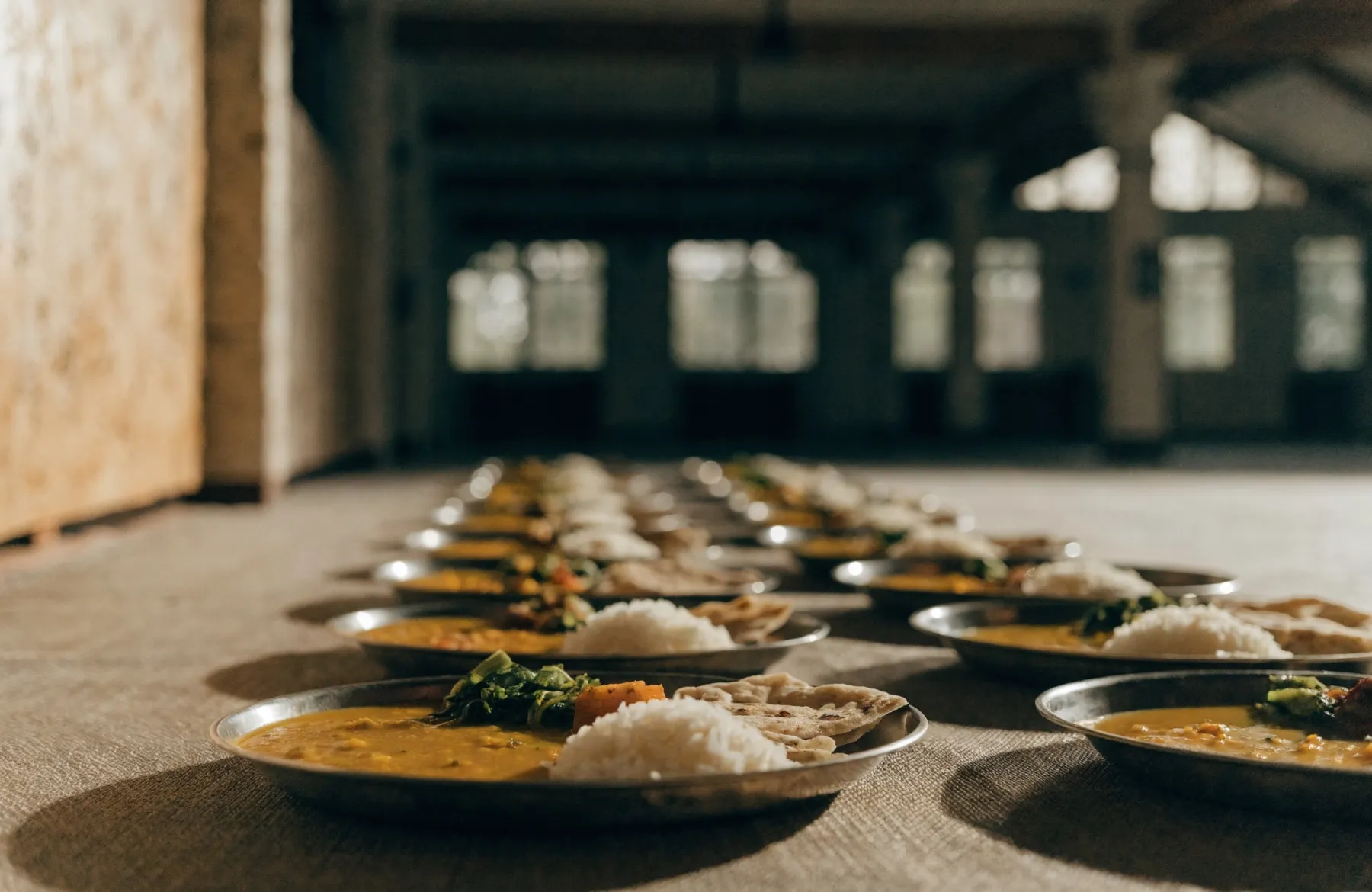
Do Hindu temples serve langar?
Langar is famous from the Sikh gurdwara — but do Hindu mandirs serve it too? Yes. Ours serves a free meal to everyone every Tuesday evening, alongside kirtan.
Read →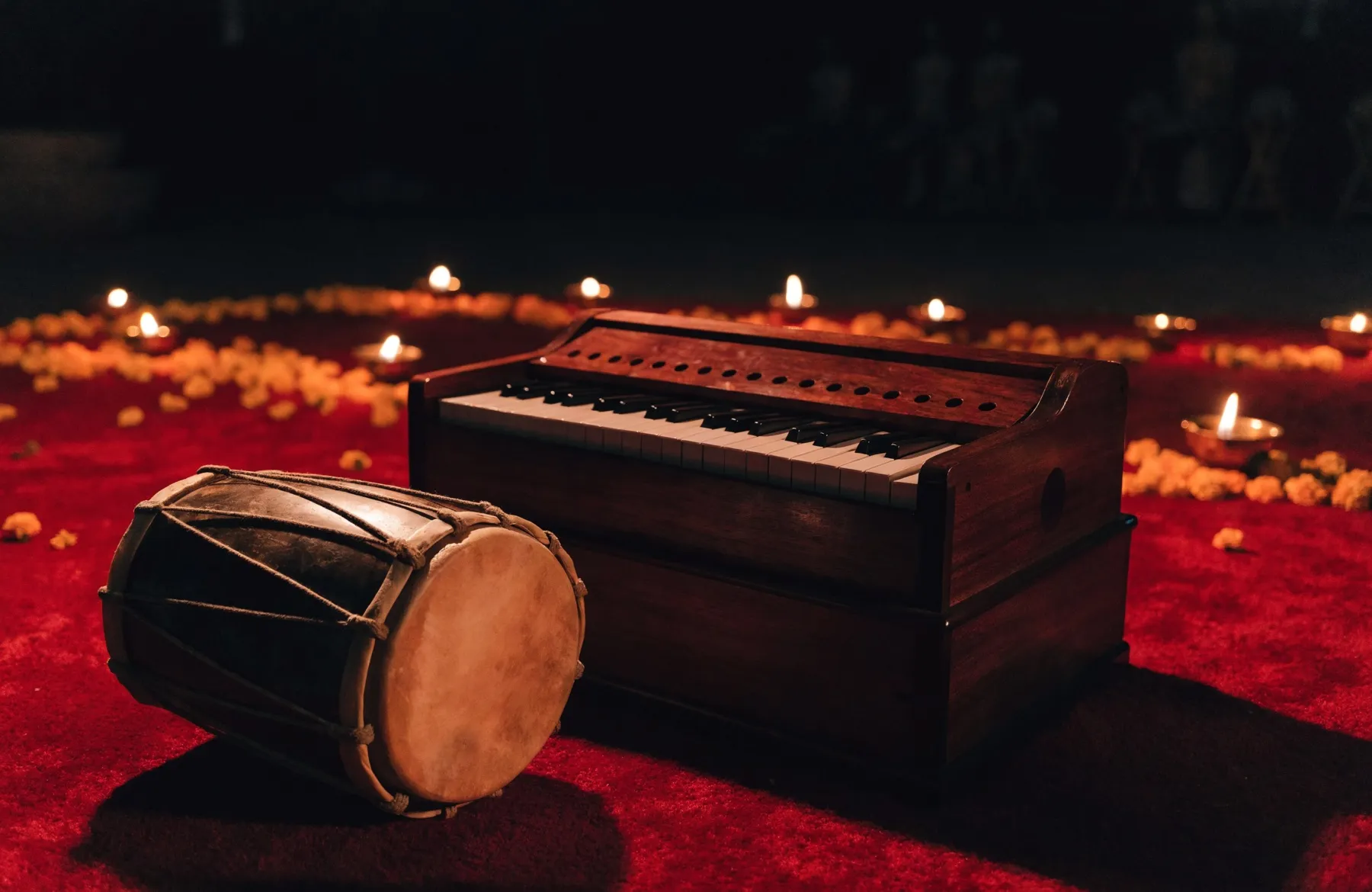
What happens at a Mata Ka Jagran?
An all-night vigil in praise of the Mother — hour by hour, what actually happens at a jagran, and the difference between a jagran and a mata ki chowki.
Read →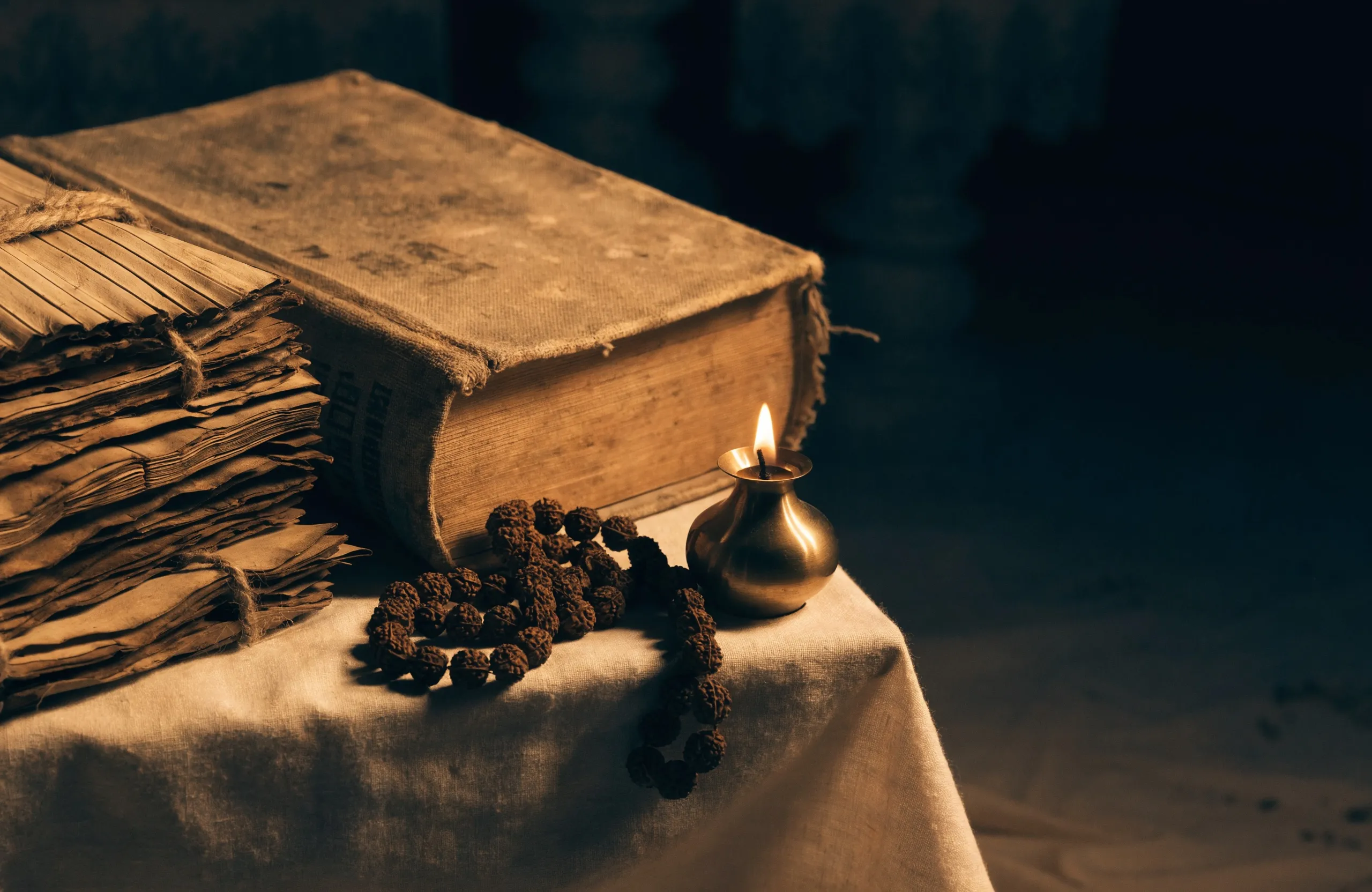
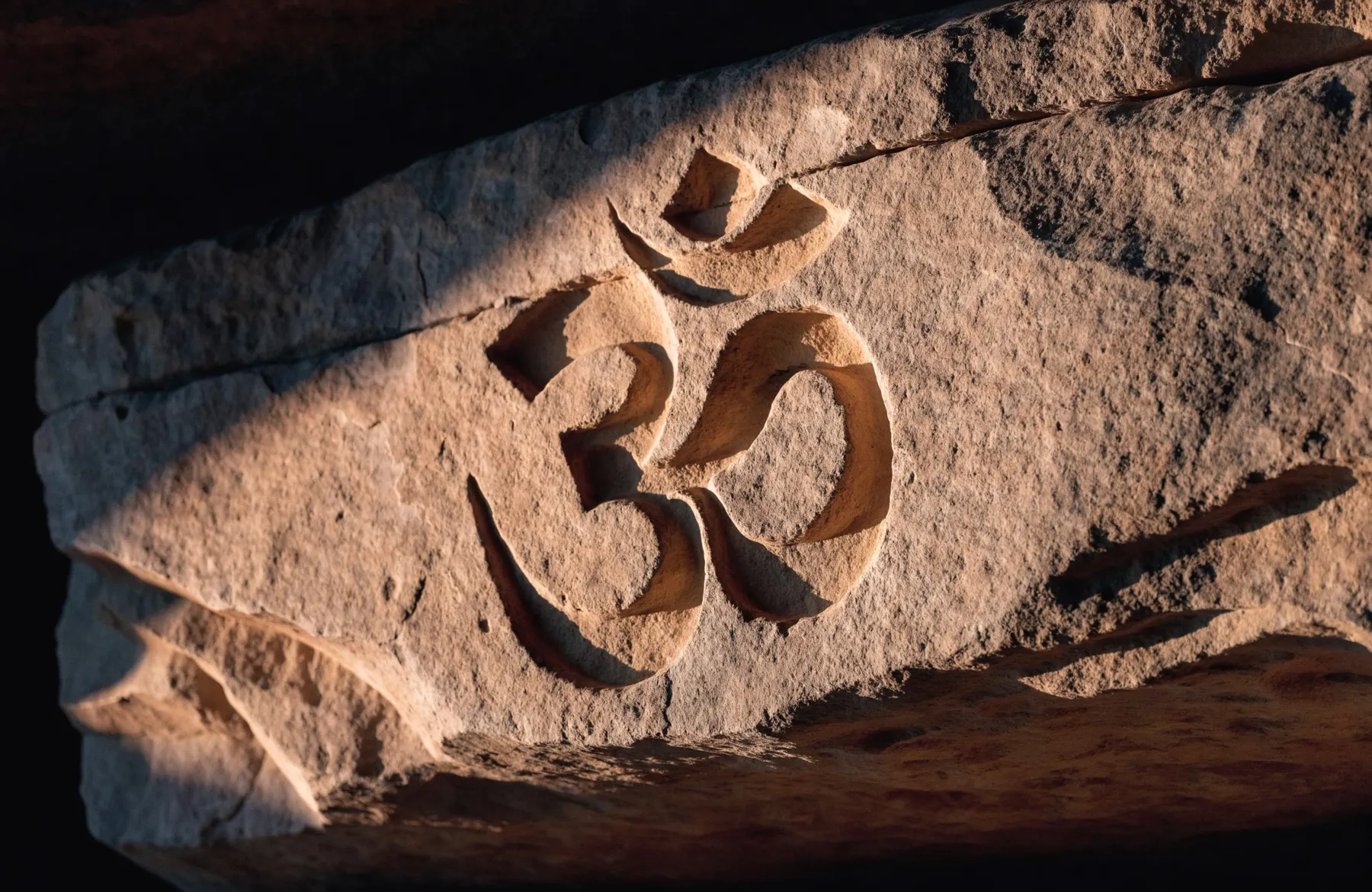
What is Hinduism?
Hinduism is the world's oldest living religious tradition, followed by around a billion people. It is not a single church with a single founder or creed — it is a vast family of traditions sharing core ideas: one ultimate reality appearing in many forms, the law of karma, the duty of dharma, and liberation (moksha) as life's final goal.
Read more →
One God, or many? Understanding Hindu deities
Are Hindus polytheistic? The honest answer to the question every visitor asks — and why the question itself is shaped by the wrong assumptions.
Read →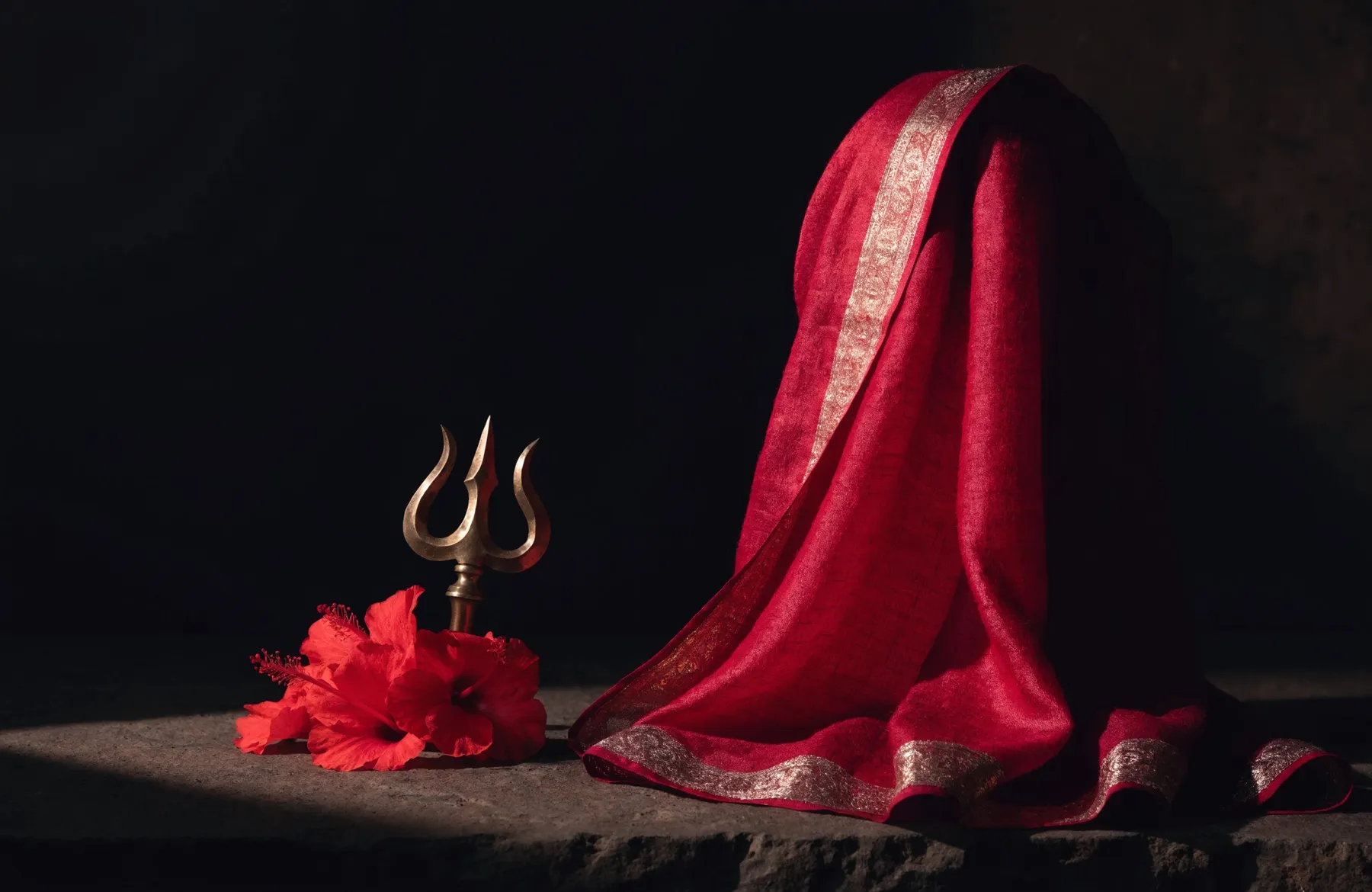
Shaktism — worshipping God as Mother
Shaktism is the Hindu tradition that holds the Goddess to be ultimate reality itself. What Shaktas believe, where it comes from, and why a Kali mandir stands in Willenhall.
Read →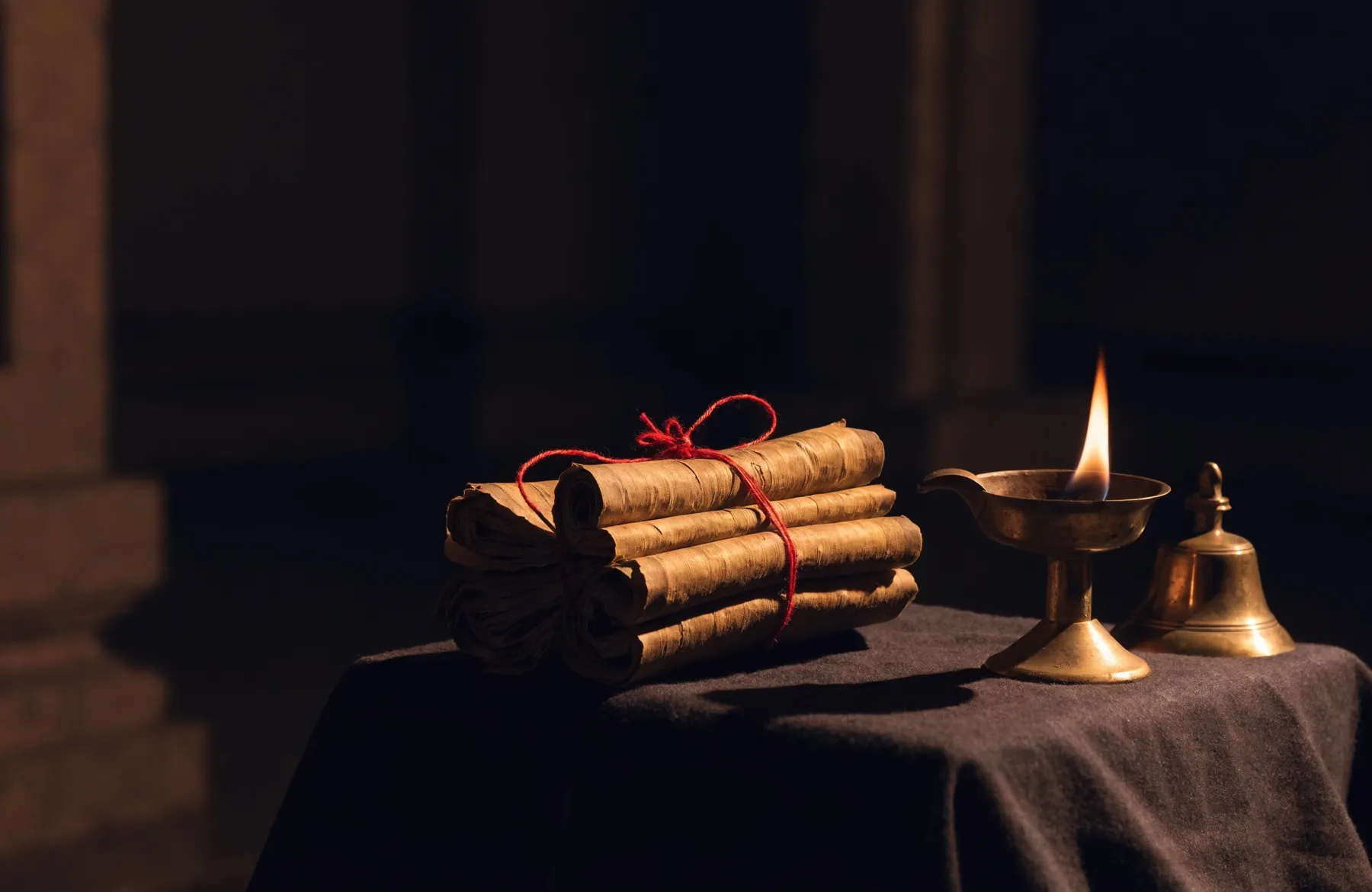
The Devi Mahatmya — the Goddess's own scripture
The Durga Saptashati or Chandi Path: 700 verses in which the Goddess steps forward as supreme. What's in it, why it matters, and when it's recited.
Read →
Why Hindu festival dates are different in the UK
Hindu festivals are set by the lunar calendar, and the sacred moment (tithi) is a single instant worldwide. But which civil date the festival falls on depends on whether that tithi is present at your LOCAL sunrise, midnight or moonrise. Because the UK is 4.5–5.5 hours behind India, several festivals fall a day earlier in Britain — and timings like Karva Chauth moonrise differ by nearly two hours.
Read more →
Reading is only half of it
Hinduism is not primarily a set of ideas to agree with — it is something done, in a room, with other people, before a form of God. If these pages have been useful, come and see the real thing.