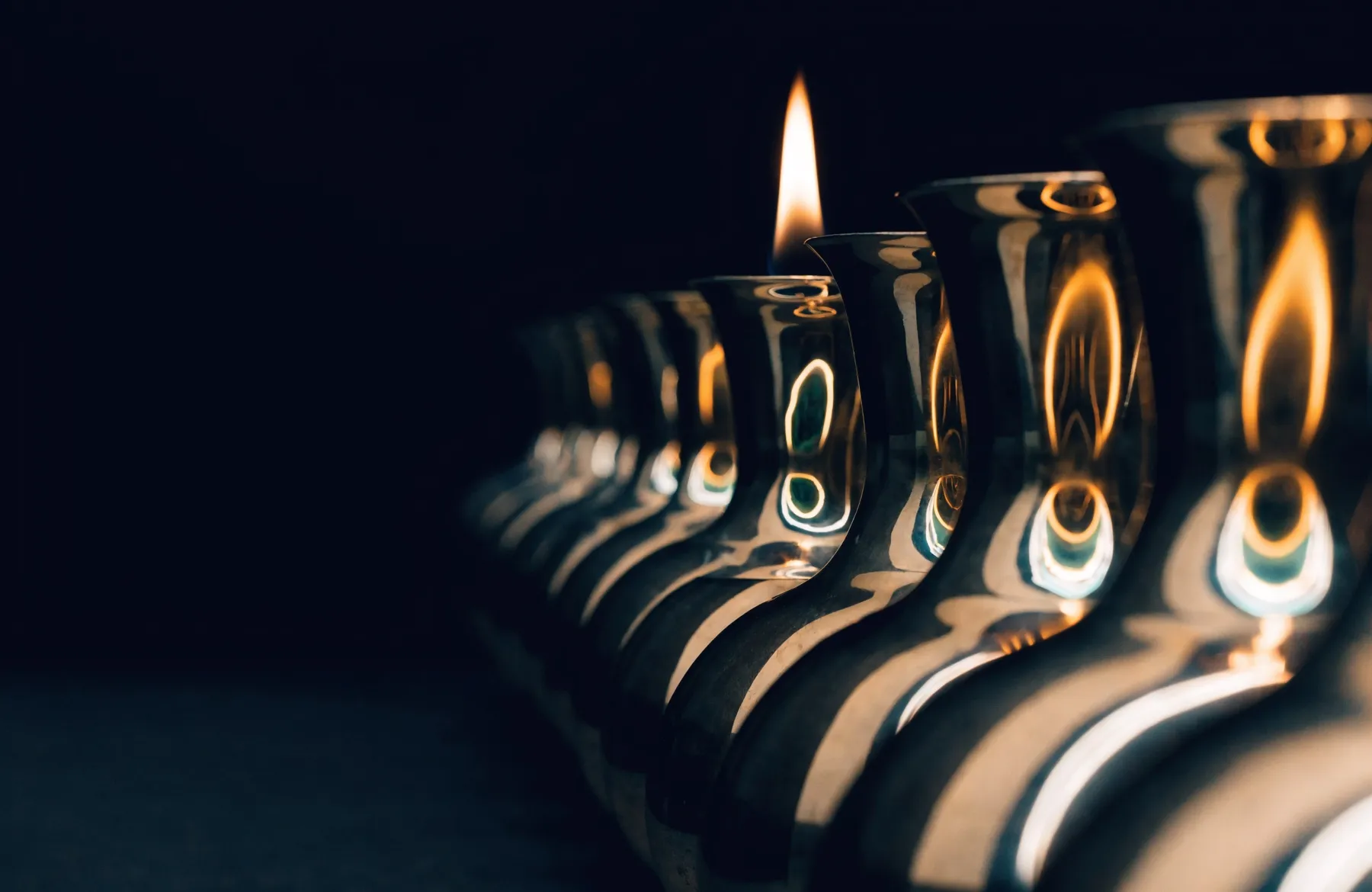
One God, or many? Understanding Hindu deities
Hindus generally understand the divine as one infinite reality (Brahman) that appears in many forms. The Rig Veda says: 'Truth is one; the wise call it by many names.' Worshipping Kali or Ganesh is not choosing one god from many — it is approaching the one Absolute through the form in which it can be loved.
“So how many gods do you have?”
Every Hindu has been asked this, usually kindly. The honest answer is that the question contains an assumption that doesn’t survive contact with the tradition.
The one-line answer from scripture
The Rig Veda — the oldest Hindu scripture, older than most religions currently practised — says:
Ekam sat viprā bahudhā vadanti “Truth is one; the wise call it by many names.”
That line is roughly three thousand years old. Hinduism worked this out early and has never seen a reason to revisit it.
So what are all the deities?
Think of it this way.
Hinduism holds that ultimate reality — Brahman — is infinite, formless, without attributes, beyond every category the mind has. Perfectly true, and perfectly useless if you are a frightened person at 3am who needs to talk to someone.
So the Divine takes form. Not because it is limited, but because you are — and because it loves you enough to become something you can look at.
Kali is that reality as the Mother who destroys what is destroying you. Ganesh is that reality as the one who clears your path. Saraswati is that reality as the knowledge you’re reaching for. Krishna is that reality as the friend and the beloved.
Not a pantheon of separate beings with separate jurisdictions. One ocean; many shores.
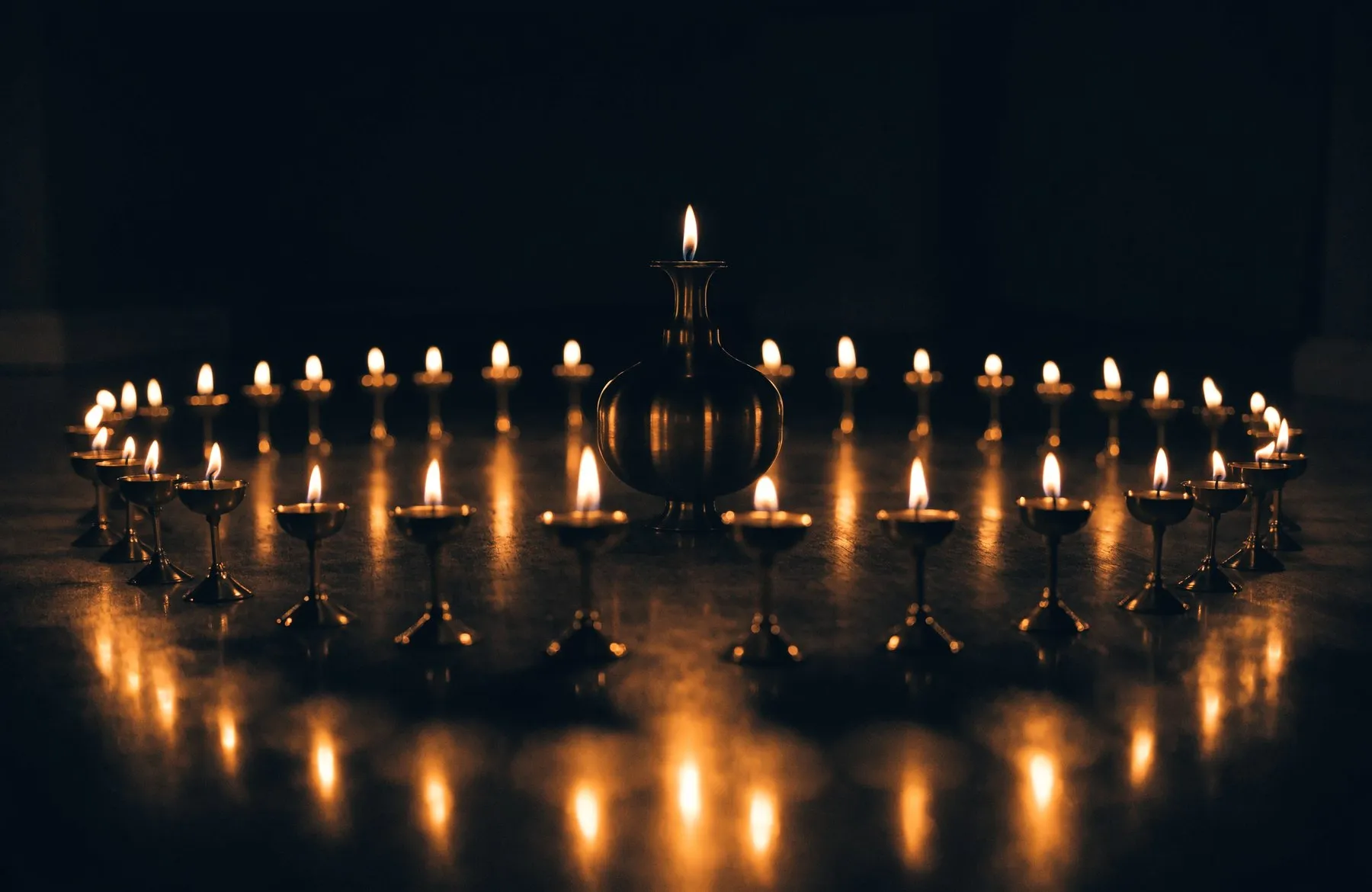
One flame, or many? In Hindu thought the question quietly dissolves.
Why “idol worship” misses it
The word “idol” arrived with people who wanted to end the practice, and it packs their conclusion into the noun.
A murti is not a picture of God and not a stone mistaken for God. Through the ceremony of prana pratishtha — “establishing the life-breath”, performed at our own mandir in 2018 — the deity is invited to be truly present in the form. From then on the murti is treated exactly as an honoured living guest: woken, bathed, dressed, fed, offered light, put to rest.
Is the murti God? Ask a philosopher and you’ll get a careful answer about form and formlessness. Watch a devotee at darshan and you’ll get the real one: of course she is. She’s right there.
Both answers are correct. Hinduism is comfortable with that.
Your ishta devata
Hindus have a lovely concept here: ishta devata — your chosen deity. The form of God you personally love most.
It is not a declaration that other forms are false. It is more like this: everyone you love, you love particularly. A devotee of Kali does not think Ganesh is second-rate. She has simply been claimed by the Mother — or has claimed her.
That is why our mandir can have Maa Kali at its heart and shrines to Shiv Parivar, Radha–Krishna, Ganesh Ji and Hanuman Ji around her, and no Hindu walks in thinking anything is odd.
What this means if you’re visiting
You will see people going from murti to murti, folding their hands at each. They are not working through a checklist of gods. They are greeting the Divine at each of the places it has agreed to stand.
You are welcome to do the same, or just to look. Nothing is required of you.
Come and see. Meet the deities of our mandir, or plan your visit to Willenhall.